
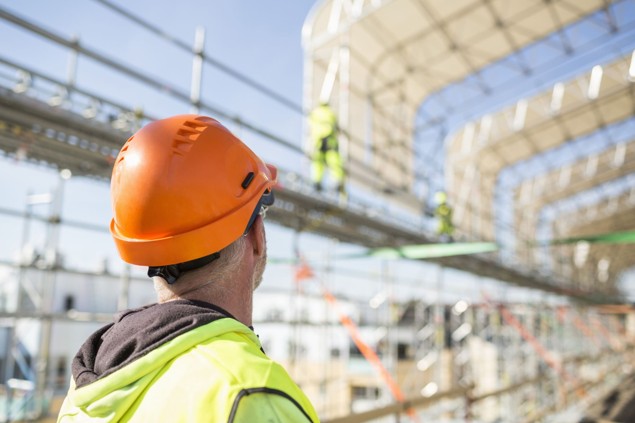
It’s natural to feel protective of where you live. “Not in my backyard” springs to mind. There is a certain peace of mind that comes with knowing the view from your kitchen window isn’t about to turn into a building site full of scaffolding, workmen and cement mixers.
Then the inevitable rumours of “major development” start floating around the neighbourhood on WhatsApp groups, pulses begin to quicken. So, here is a balanced overview at the for and against of large-scale developments popping up near your home.
For development….
1. More Homes, More Life – Large developments can ease shortages and help first-time buyers get on the ladder. It gives places for your children to locate nearby.
2. Investment in the Area – Big projects can facilitate infrastructure improvements through Community Infrastructure Levy. Creating better roads, upgraded utilities, maybe even new schools or health facilities.
3. Local Business Boost – More residents equals more customers. Cafés, shops, and services may thrive with increased footfall in turn creating more job opportunities.
4. Regeneration Opportunities – If the site is derelict or underused, development can transform an eyesore of graffiti into something modern and functional.
Against developments….
1. Traffic, Traffic, Traffic – Hundreds of new homes can mean hundreds more cars. Quiet streets risk becoming shortcuts and school runs may turn into endurance events.
2. Strain on Services – GP surgeries, schools, and public transport don’t always expand at the same pace as housing. Growth without infrastructure planning can feel overwhelming.
3. Loss of Green Space – Fields, trees, and wildlife habitats can disappear quickly. What was once a sunset view might become a brick wall.
4. Character Changes – Every neighbourhood has a vibe. Large developments can alter density, architecture, and the overall feel — sometimes in ways existing residents find hard to accept.
Is it just a “Yes” or “No” question? Or should we be asking key questions like “Should anything be built there?” “If building must happen, how can it be done well, great design?” “what environmental impact studies have been done?” “does it link into neighbourhood plan policies?
While developments are inevitable to meet increasing need, major schemes should be progressed and managed through greater community engagement and involvement. Whether this is through better connections with local planning departments and council policies, or by creating Neighbourhood Plans, or by working more closely with developers; the push for better designed projects, creating more inclusive and accessible environments has to be prioritized if we are going to deliver acceptable developments that win those backyard battles.